

Generative AI in Everyday Life and Work
Date : 11-11-2024
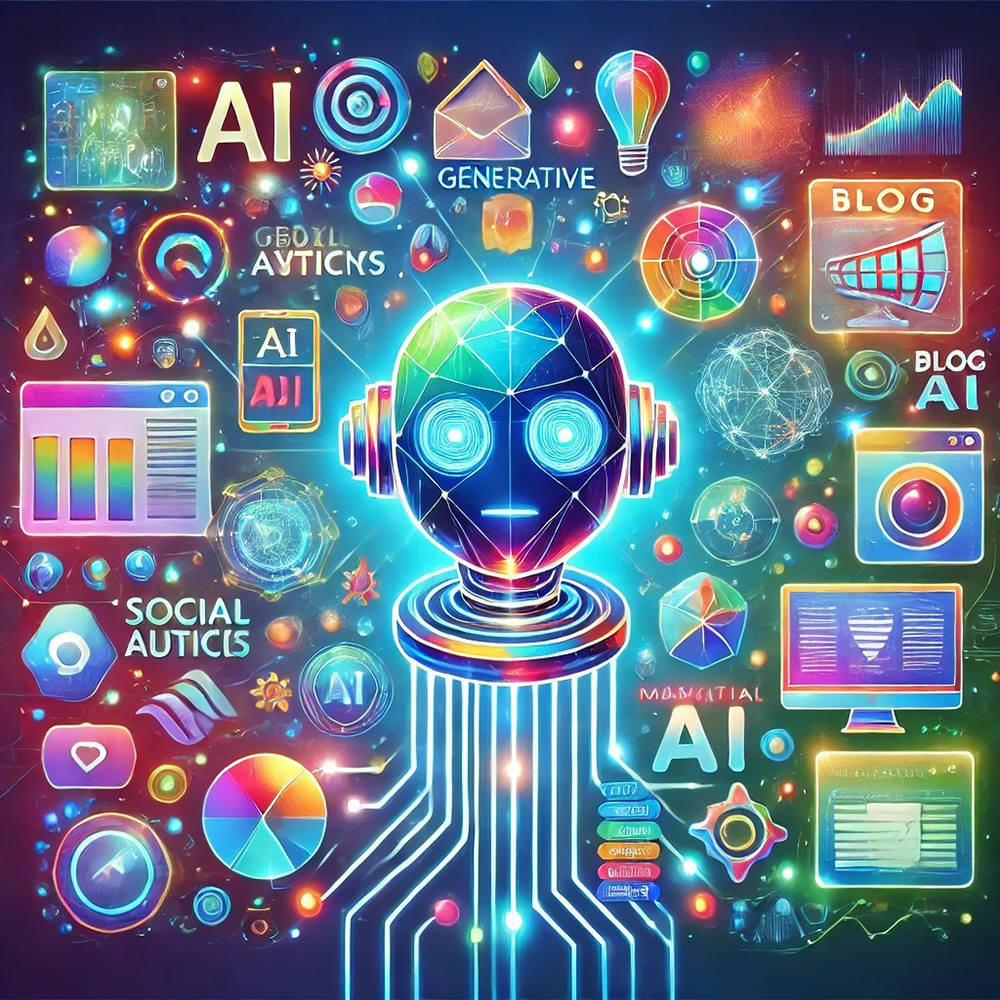
Previously, we talked about the capabilities of Generative AI. Today, let’s explore how we can apply Generative AI in different areas:
- Content Creation Generative AI can write articles, news, blog posts, and social media content, helping writers reduce the time needed to produce content.
- Art and Design Generative AI can assist designers in creating illustrations, graphics, and other artworks quickly and efficiently. Even people without design skills can create impressive work using AI tools.
- Music Creation Generative AI can help compose songs, background music, and sound effects without requiring the creator to have musical instruments.
- Product Design Generative AI can assist in designing products, logos, and packaging according to user requirements.
- Game Development and Entertainment Generative AI can create scenes, characters, and storylines creatively, enabling game developers to build more diverse and engaging games.
- Education Generative AI can generate teaching materials, exercises, and exams quickly, giving teachers more time to prepare lessons.
- Language Translation and Communication Generative AI provides accurate and fast translations, making communication between people who speak different languages smooth and efficient.
- Personal Assistance Generative AI can help manage schedules, plan daily activities, and set reminders, allowing users to organize their lives effectively and avoid missing important tasks.
- Health and Self-Care Generative AI can offer advice on health care, exercise, or treatments based on available data tailored to individual needs.
Advantages of Generative AI
- Improved Work Efficiency: Generative AI reduces the time needed to create new content, allowing us to focus on more important tasks.
- Enhanced Creativity: It sparks new ideas and helps create unique, interesting content.
- Easier Access to Information: Generative AI makes it easier for people to access various types of information and content.
Disadvantages of Generative AI
- Copyright Issues: Generative AI may produce works that infringe on others’ copyrights.
- Data Quality: Controlling the quality of AI-generated content can be challenging, and there is a risk of distorted information.
Next time, we’ll introduce AI tools that help create different types of content.

" + NS Solutions" is register trade mark of NS Solutions corporation.
Other description about company name and product name are trademark or register trade mark of each companies.